
Best Solar System for Home: Choosing the Right System for Your Energy Needs
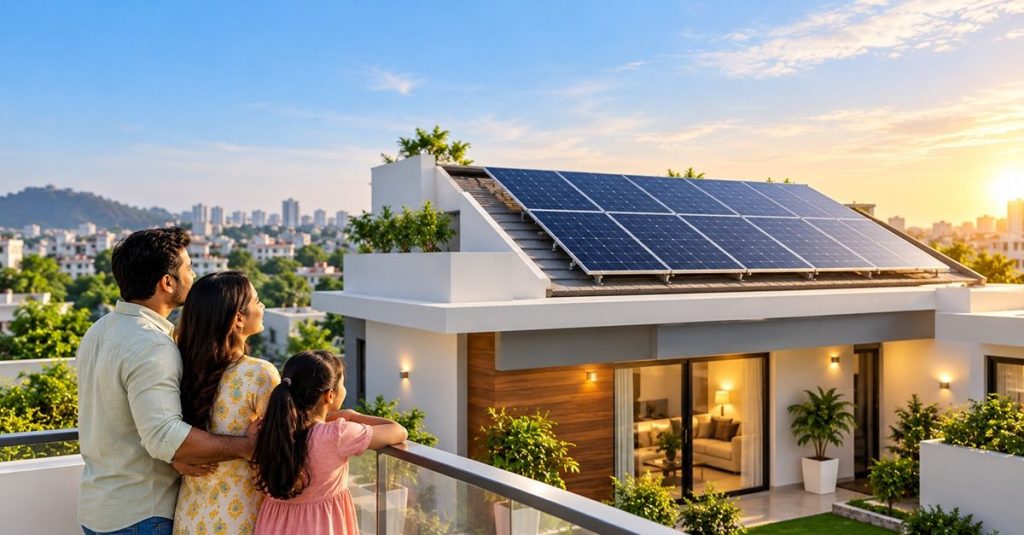
When families come to us at Indian Solar Solution, they rarely ask about watts or inverters first. They ask, “How do I cut my electricity bill without making a mistake?” That is the right question. The best solar system for home use is not the biggest or the cheapest one. It is the one that fits your roof, your usage and your budget. This guide walks you through how to find it.
What Is a Home Solar Power System?
A home solar power system turns sunlight into electricity you can use in your house. It sits on your roof, connects to your existing wiring, and supplies power during the day. Residential solar panels do the main work, while an inverter and a few safety components make the electricity usable.
Most homes choose one of three setups:
- On-grid systems: connected to the utility grid, with extra power sent back through net metering
- Off-grid systems: run on batteries, with no grid connection
- Hybrid systems: combine grid connection and battery backup
How Does a Residential Solar System Work?
The process is simpler than most people expect.
Sunlight Becomes DC Power
Solar panels absorb sunlight and generate direct current (DC) electricity.
The Inverter Converts It
The inverter changes DC into alternating current (AC), which your fans, lights, appliances and air conditioners use.
Your Home Uses It First
Your home draws solar power first. With an on-grid system, any surplus goes to the grid, and the grid supplies power when your panels produce less, such as at night.
Why Choosing the Right System Matters
Two homes with the same bill can need very different systems. An undersized system leaves you paying high bills. An oversized one costs more upfront than it saves. Poor component choices or weak installation can also reduce output within a few years.
Getting the system right from the start gives you steady savings for decades. That is why we begin every project with a proper assessment rather than a standard package.
How to Choose the Best Solar System for Your Home
Review Your Electricity Usage
Look at your last 12 months of bills. Seasonal changes matter, especially summer cooling loads.
Check Your Roof
Roof area, direction, shade from trees or buildings, and structural condition all affect how much power you can generate.
Pick the Right System Type
If your area has reliable grid supply, on-grid is usually the most cost-effective. If power cuts are frequent, a hybrid system may be worth the extra cost.
Compare Components
When looking for the best residential solar panels, check:
- Panel efficiency and the manufacturer’s warranty
- Inverter quality and service support
- Mounting structure strength and corrosion protection
Brand names matter less than proven reliability and warranty backing.
Step 5: Choose an Installer Carefully
Even excellent equipment performs badly if installed poorly. Look for a team that handles design, residential solar panel installation, approvals and aftercare.
Key Benefits of Residential Solar Energy
Homeowners in Indore choose solar for good reasons:
- Lower electricity bills once the system starts generating
- Protection from rising tariffs over the long run
- Low maintenance, since panels have no moving parts
- Higher property appeal for buyers and tenants
- Cleaner power with a smaller carbon footprint
- Government support, as rooftop solar subsidy schemes may be available to eligible households
Subsidy rules change, so always confirm the current process before you decide. Our team guides customers through it.
Common Misconceptions About Home Solar
Solar only works in hot, sunny weather. Panels generate power in any daylight, including cloudy days, just at lower output.
Solar needs a lot of upkeep. Regular cleaning and an occasional inspection are usually enough.
A bigger system is always better. Not necessarily. Size it to your usage and your roof, not to the largest quote.
All solar quotes are the same. They are not. Compare components, warranties, and what is included in the price.
Why Indore Homeowners Trust Indian Solar Solution
If you want to get solar panels for home use in Indore, local knowledge helps. We understand the city’s climate, local approval processes and typical rooftop layouts. Whether you are exploring solar panels for my home for the first time or upgrading an older setup, we give you honest advice, even when that means recommending a smaller system.
Conclusion
The best solar system for home use depends on your electricity usage, roof space, budget and backup needs. Choose the right system type, insist on quality components, and work with an installer who supports you long after installation day. Done right, residential solar power can lower your bills for 25 years or more.
Ready to find the right fit? Contact Indian Solar Solution for a free site visit and a clear, honest proposal.