
Best Solar System for Home: Types, Benefits & Buying Guide
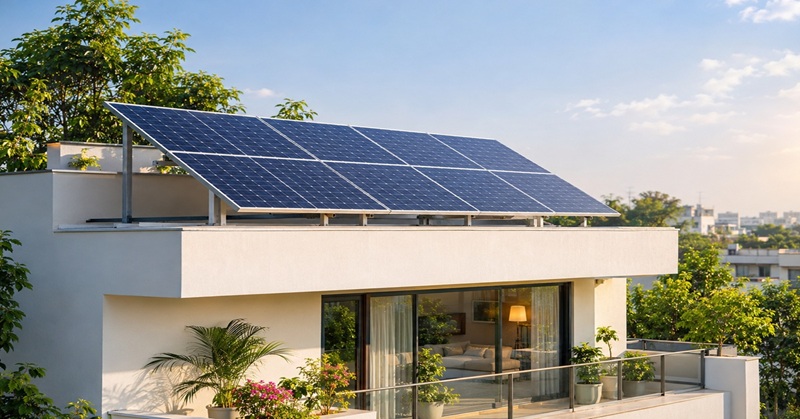
Every month, when the electricity bill arrives, many families in Indore ask the same question: is there a smarter way to power our home? At Indian Solar Solution, we hear it almost daily. The answer is usually yes. But the best solar system for home depends on how you use power, how much roof space you have, and what you expect from the system. This guide explains your options in plain language so you can decide with confidence.
What Is a Home Solar Power System?
A home solar power system turns sunlight into electricity for your household. It includes solar panels, an inverter, mounting structures, wiring, and sometimes batteries. Residential solar panels sit on your rooftop and feed your lights, fans, ACs, and appliances during the day.
How Does a Residential Solar System Work?
The process is simpler than most people expect:
- Solar panels absorb sunlight and produce DC (direct current) electricity.
- The inverter converts it into AC power, which your home appliances use.
- Your home uses solar power first.
- Extra power either goes to the grid through net metering or gets stored in batteries, depending on your system type.
Types of Solar Systems for Home
On-Grid Solar System
This system stays connected to the electricity grid. You use solar power during the day, and surplus units go back to the grid. It needs no batteries, so it costs less and needs less upkeep. For most homes in Indore with a steady power supply, this is the most practical choice.
Off-Grid Solar System
An off-grid system works independently, with batteries storing energy for night use. It suits farmhouses or areas with unreliable power. The trade-off is higher cost and battery replacement over time.
Hybrid Solar System
A hybrid system combines both. It stays grid-connected and also stores energy in batteries for backup during outages. If frequent power cuts disrupt your home or work-from-home routine, this is worth considering.
Why Go Solar? Key Benefits
- Lower electricity bills: Solar can cut a large share of your monthly bill, and the savings continue for years.
- Long-term value: Quality panels commonly come with performance warranties of 25 years or more.
- Government support: Schemes like the PM Surya Ghar: Muft Bijli Yojana offer subsidies for eligible rooftop systems. Subsidy rules can change, so always check current eligibility.
- Cleaner living: Solar produces no emissions while generating power.
- Protection from tariff hikes: Once installed, a good part of your power cost stays fixed.
How to Choose the Best Solar System for Your Home
Getting solar panels for your home is not about picking the biggest system. It’s about picking the right one.
Start With Your Electricity Usage
Look at your last 6–12 months of bills. Your average monthly units decide the system size. As a rough guide, 1 kW of solar typically produces around 4 units a day in good sunlight, though this varies with season, tilt, and shading.
Check Your Roof Space and Shading
A 1 kW system generally needs about 80–100 sq. ft. of shadow-free space. Water tanks, parapets, and nearby buildings can reduce output, so a proper site survey matters.
Look at Panel and Inverter Quality
Check the panel brand, efficiency, warranty terms, and certifications. The inverter is the heart of the system, so don’t compromise on it.
Consider Installation and After-Sales Support
A system is only as good as the team behind it. Ask who handles net metering paperwork, subsidy documentation, and servicing after installation.
Common Myths About Home Solar
“Solar doesn’t work in cloudy weather.” It does, just at reduced output. Indore gets plenty of sunshine across most of the year.
“Panels need constant maintenance.” Not really. Regular cleaning and an occasional inspection are usually enough.
“Solar is too expensive.” The upfront cost is real, but when you factor in subsidies and bill savings, many homeowners recover the investment within a few years.
“Bigger is always better.” An oversized system wastes money. Right-sizing based on your actual usage is what gives the best return.
Why Homeowners Trust Indian Solar Solution
At Indian Solar Solution, we don’t push one-size-fits-all packages. Our team begins with a site visit, studies your usage, and designs a system around your home. We handle installation, documentation, and post-installation support, so you aren’t left chasing multiple vendors. Whether you’re exploring residential solar systems for the first time or upgrading an old setup, we’ll give you an honest recommendation, even if that means a smaller system.
Conclusion
The best solar system for home is the one that fits your usage, your roof, and your budget. On-grid systems suit most households, hybrid systems add backup security, and off-grid setups serve remote locations. Focus on right-sizing, quality components, and reliable after-sales support rather than chasing the lowest price. If you’re ready to explore residential solar power for your home in Indore, Indian Solar Solution is here to help you get started with a free site assessment and a clear, honest plan.