
Maintenance Tips to Maximize Residential Solar Energy Output
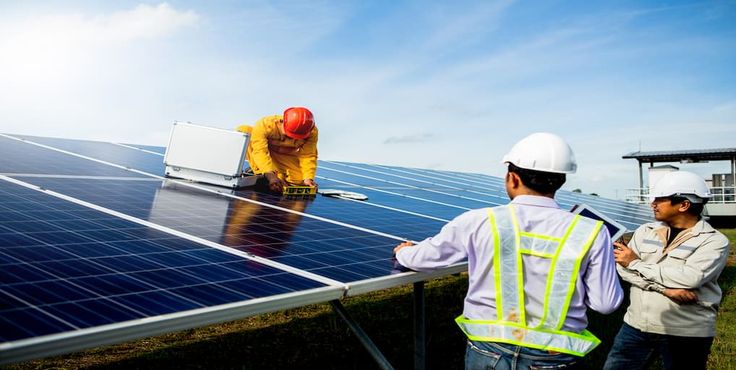
Installing a solar power system is a smart investment, but getting the best performance from residential solar energy depends heavily on regular maintenance. Many homeowners assume solar panels are completely maintenance-free—but in Indian conditions, dust, heat, and weather can significantly affect output if not managed properly.
Whether you already have solar panels or are planning to install the best solar system for home, this guide will help you understand simple yet effective maintenance tips to maximize energy generation, savings, and system life.
Why Maintenance Is Important for Residential Solar Energy
India’s climate—dusty air, high temperatures, bird activity, and seasonal rains—directly impacts solar panel efficiency. Even a thin layer of dust can reduce solar output by 10–25%.
Proper maintenance ensures:
- Maximum electricity generation
- Faster return on investment (ROI)
- Longer system lifespan (25+ years)
- Stable performance throughout the year
For homeowners, maintaining a solar system is far cheaper than losing power generation due to neglect.
1. Clean Solar Panels Regularly
Why it matters
Dust, pollution, bird droppings, and leaves block sunlight, reducing energy absorption.
How often to clean
- Urban areas: Every 2–4 weeks
- Dusty / highway areas: Every 10–15 days
- After storms or heavy dust events: Immediate check
Best practice
- Use plain water and a soft cloth or sponge
- Clean early morning or evening (avoid midday heat)
- Avoid harsh detergents or abrasive materials
Clean panels alone can improve residential solar energy output by up to 20%.
2. Monitor Your Solar Energy Generation
Most modern systems include monitoring apps or inverter displays. Make it a habit to check daily or weekly generation.
What to watch for
- Sudden drop in units generated
- Zero or very low output during sunny days
- Inverter error messages
Monitoring helps identify issues early—before they affect long-term performance of the best solar system for home.
3. Keep the Inverter Healthy
The inverter is the brain of your solar system. If it fails, your entire residential solar energy system stops producing power.
Maintenance tips
- Ensure good ventilation around the inverter
- Keep it away from direct sunlight and moisture
- Check indicator lights weekly
- Clean dust around the unit (without opening it)
Most inverters last 8–12 years, but good care can extend their life.
4. Inspect Wiring & Connections Annually
Loose connections, rodent damage, or worn insulation can cause power loss or safety risks.
What to check
- DC and AC cables
- Earthing connections
- Junction boxes
It’s recommended to schedule a professional inspection once a year, especially for rooftop residential solar energy systems.
5. Trim Nearby Trees & Avoid Shadowing
Even partial shade on one panel can reduce the output of the entire string.
Tips
- Trim tree branches that cast shadows
- Avoid placing new structures near panels
- Check shadow patterns during winter months
Shadow management is essential for maintaining efficiency in the best solar system for home.
6. Schedule Preventive Maintenance Once a Year
A professional solar maintenance visit typically includes:
- Electrical checks
- Inverter health check
- Panel inspection
- Performance testing
Annual maintenance ensures your residential solar energy system continues operating at peak efficiency and remains warranty-compliant.
7. Protect Panels During Extreme Weather
India experiences heavy rain, hailstorms, and heat waves.
Safety tips
- Ensure mounting structures are firmly tightened
- Check after storms for cracks or damage
- Verify earthing before monsoon season
Well-installed systems are designed to withstand weather, but post-season checks are important.
8. Keep Records & Warranty Documents
Maintain a simple file (physical or digital) with:
- Installation report
- Warranty cards (panels, inverter)
- Maintenance visits
- Generation records
This helps during servicing, insurance claims, or future system upgrades.
How Maintenance Improves ROI of Residential Solar Energy
With proper maintenance:
- Energy output stays high
- Monthly electricity savings increase
- Payback period shortens by 1–2 years
- System lifespan reaches 25+ years
A well-maintained solar plant is truly the best solar system for home—not just in installation, but in long-term performance.
Conclusion
Residential solar energy is a long-term asset, not a one-time installation. Simple maintenance practices like cleaning panels, monitoring generation, and annual inspections can significantly boost performance and savings.
If you want your system to deliver maximum value year after year, treat maintenance as part of your solar investment—not an afterthought.